Sustainable Design & Planning
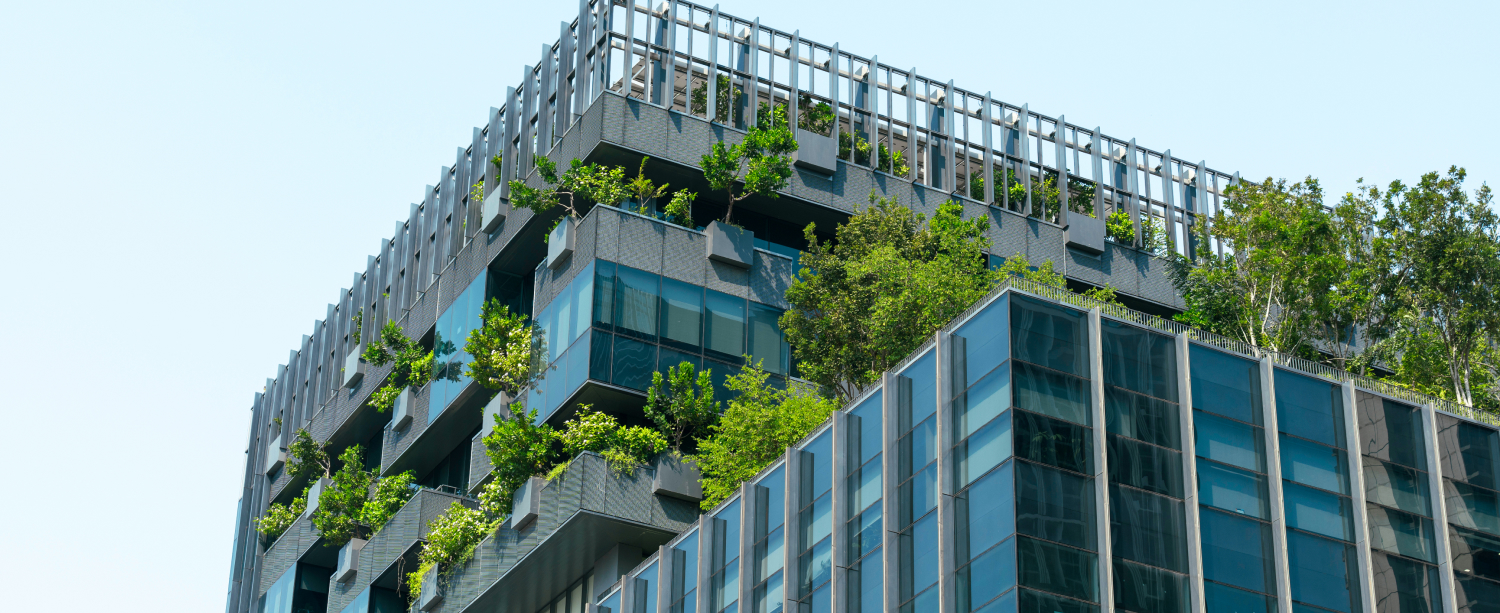
Integrating sustainability into building design ensures regulatory compliance, higher efficiency, and reduced long-term operational costs.
OUR SERVICES
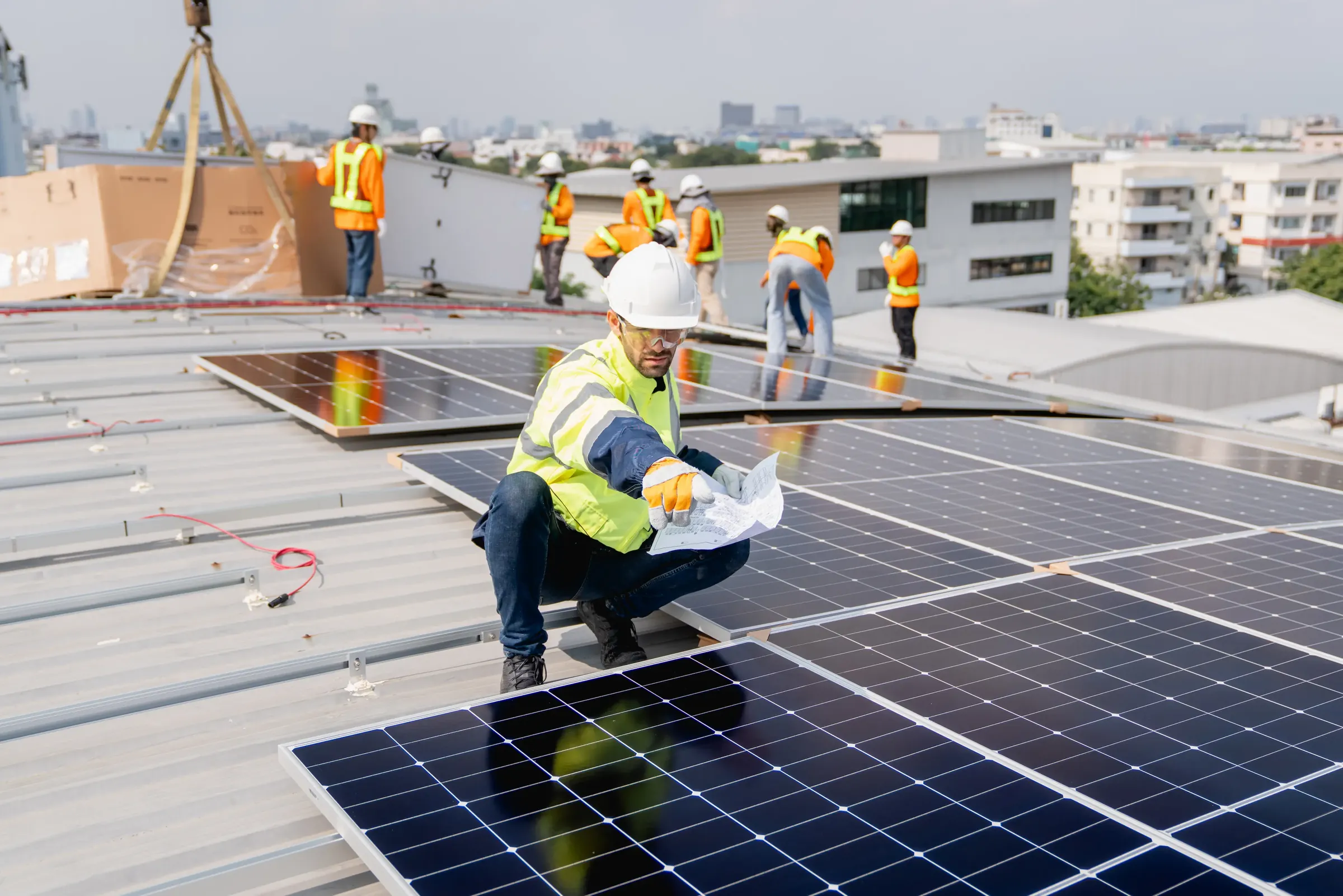
Lowering operational costs and enhancing asset value are essential to earning the trust of investors and tenants. We make this possible by integrating sustainable design, energy efficiency, and resilience strategies into every project.
Contact UsSUSTAINABILITY SOLUTIONS
From design to operations, we help create high-performing, resilient, and sustainable buildings ready for the challenges of tomorrow.
Integrating sustainability into building design ensures regulatory compliance, higher efficiency, and reduced long-term operational costs.

Data-driven modelling optimizes building performance, maintains occupant comfort, and supports accurate design decisions.
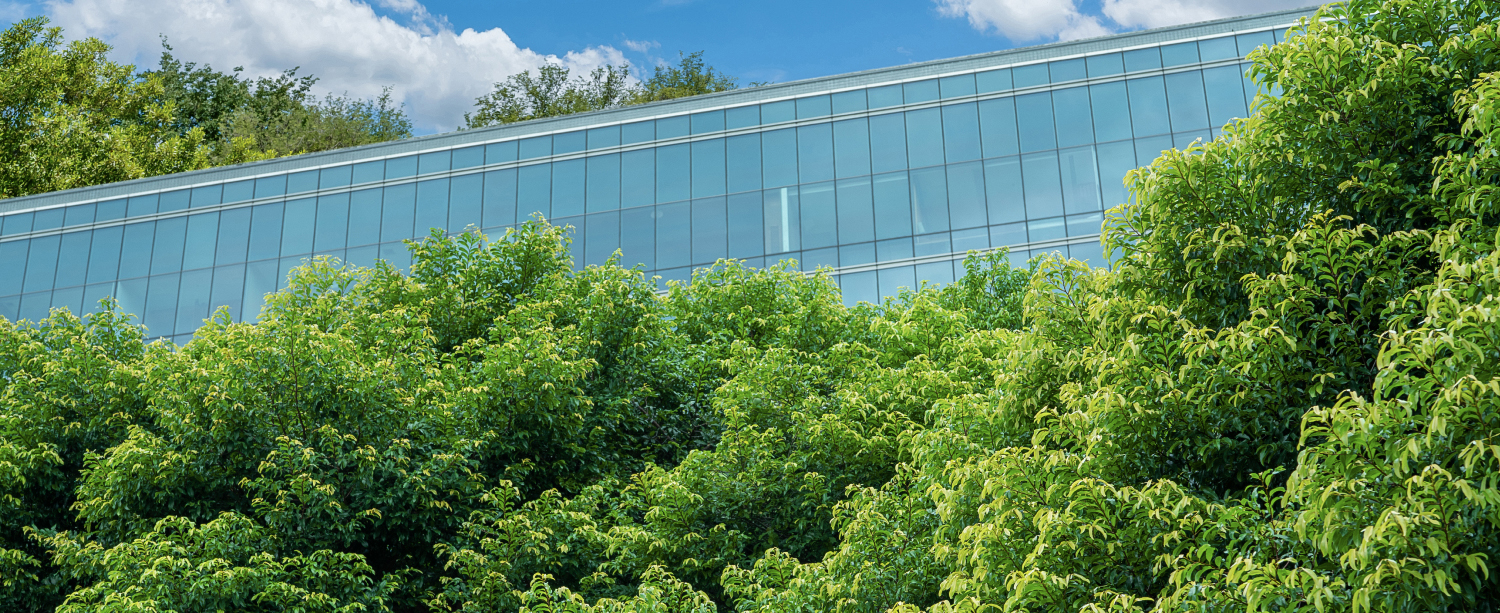
Integrating ecology and resilience strategies reduces environmental risks, supports regulatory compliance, and protects long-term site value.
Circular strategies reduce embodied carbon, optimize resources, and lower lifecycle costs across the project.
THE CHALLENGE
Real estate owners, developers, and investors face growing pressure to deliver buildings that are efficient, resilient, and compliant with sustainability regulations. Beyond meeting codes, clients need solutions that reduce operational costs, strengthen market value, and ensure long-term performance. Tenants and investors expect transparency, comfort, and future-ready assets, while climate risks, embodied carbon, and resource efficiency are becoming critical factors in financial and regulatory decision-making. Building performance is no longer optional; it defines competitiveness, compliance, and trust.

HOW WE DO
We support clients in embedding sustainability at every stage of the building lifecycle. From sustainable design integration and advanced energy modelling to climate risk assessments and circular resource strategies, our services create measurable improvements in efficiency, resilience, and environmental impact. We deliver solutions that align with regulations, meet investor and tenant expectations, and protect long-term value. By combining technical expertise with a practical approach, we help you achieve buildings that perform better, cost less to operate, and inspire trust in a low-carbon economy.
FAQS
We know sustainability strategy can feel complex. Our sustainability FAQs cover the essentials, from green building certifications (BREEAM, LEED, WELL, EDGE) and ESG compliance to EU Taxonomy regulations and project timelines. Get clear, expert answers that help you move forward with confidence.
More FAQsBREEAM (Building Research Establishment Environmental Assessment Method) and LEED (Leadership in Energy and Environmental Design) are two of the most widely recognized green building certification systems, and both evaluate similar sustainability aspects such as energy, water, materials, waste, health, and transport. Their main differences lie in origin and application: BREEAM, developed in the UK, is widely used in Europe and adapts to local regulations through licensed assessors, while LEED, developed in the US, is globally standardized and follows a points-based system. Both certifications drive sustainable building performance, with the choice often depending on regional recognition and investor expectations.
To comply with the EU Taxonomy for real estate projects, developers and investors must show that their buildings make a substantial contribution to at least one environmental objective — most commonly climate change mitigation (e.g., high energy efficiency or near-zero energy performance). At the same time, they must demonstrate Do No Significant Harm (DNSH) to the other objectives, such as water, circular economy, pollution prevention, and biodiversity, and comply with minimum social safeguards. Compliance involves collecting and verifying technical data, documenting performance against the EU criteria, and preparing information for investor reporting and ESG disclosures.
Net zero carbon means that a building’s carbon emissions are reduced to the lowest possible level and any remaining emissions are offset, so the total balance is zero. For buildings, this involves improving energy efficiency, using renewable energy sources, selecting low-carbon materials, and reducing both operational carbon (from energy use) and embodied carbon (from construction materials and processes). Achieving net zero also requires ongoing monitoring, carbon footprint assessments, and sometimes use of offsets to address residual emissions.
ESG reporting is the process of disclosing a company’s performance on environmental, social, and governance factors, covering areas such as energy use, carbon emissions, employee wellbeing, diversity, and corporate ethics. It is important because it provides transparency for investors, regulators, and stakeholders, helps companies comply with frameworks like the EU Taxonomy and CSRD, and demonstrates commitment to sustainability. Strong ESG reporting not only reduces regulatory and reputational risk but also improves access to capital and enhances long-term business resilience.
CONTACT US
Get in touch with our team of sustainability consultants to explore tailored solutions in ESG strategy, carbon footprint reduction, and green building certifications (BREEAM, LEED, WELL, EDGE). We provide personalized guidance to help organizations meet regulations, achieve net zero targets, and add long-term value to their assets.
Contact Us