For years, green building certification was treated primarily as a marketing tool, a badge of commitment to sustainability that enhanced a developer's reputation and helped tick ESG reporting boxes. That era is closing fast.
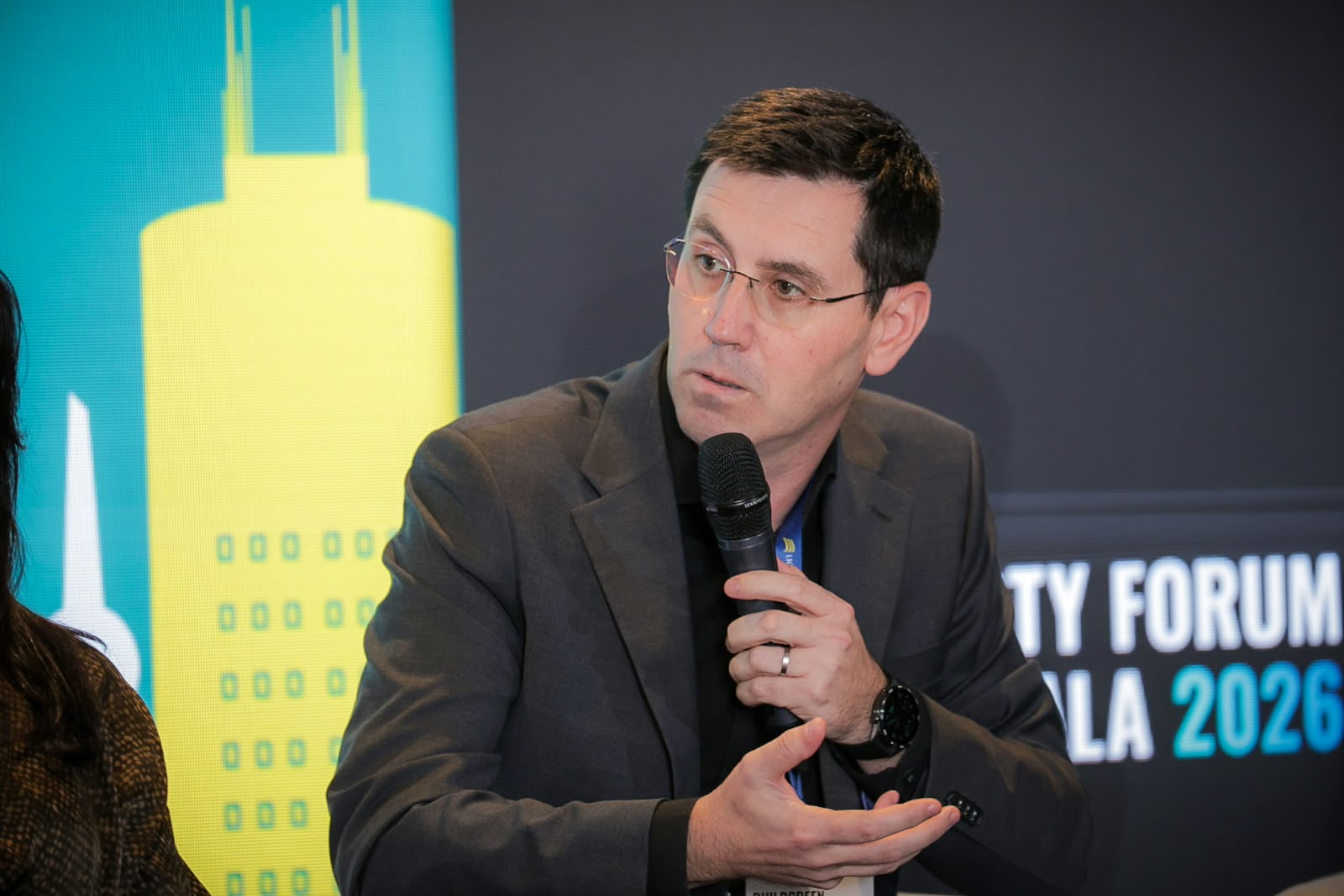
Speaking at the 2026 Net Zero Carbon Summit Romania, organized by Govnet on April 22 in Bucharest under the theme „From Commitment to Execution: Turning Decarbonisation into a Strategic Advantage„, Răzvan Nica, CEO and Founder of BuildGreen, argued that the conversation around sustainable buildings has fundamentally shifted. "Sustainability in its first phase was seen as a marketing differentiator," Răzvan noted. "Now, increasingly, we're moving the discussion toward competitiveness."
That shift, Răzvan Nica explained, wasn't ideological, it was forced by circumstance. A succession of crises over the past five to six years, from the energy crisis to ongoing fossil fuel market volatility, has made operational efficiency not just desirable but essential. A green building today is not simply a reputational asset, as it actively reduces operating costs and delivers measurable value to occupants.
Certification is not enough. Performance is what counts
A building certification, as Răzvan was careful to clarify, does not by itself generate cost reductions. What matters is how a building is designed to perform and how it is operated day to day. "The project and the way that that building is operated is much more efficient, and it helps users extract the maximum value from it", Răzvan said.
Innovation in the structural and architectural elements of construction remains limited, constrained by material inertia and consumer preference for proven solutions like concrete. But the technology layer (HVAC systems, heating and cooling equipment, building management systems) is evolving rapidly, and that is precisely where the performance gains are being unlocked.
Smart buildings, smarter operations
The most significant development in recent years, according to Răzvan Nica, is the accessibility of intelligent building management tools. Building Management Systems (BMS) and Energy Management Systems (EMS) now incorporate AI, enabling dynamic, real-time adjustments to a building's energy use without requiring constant human intervention. Systems that once needed specialist oversight can now self-regulate in response to actual building conditions.
The roadmap he outlined is clear. Reduce demand, cut consumption and optimise how the building functions. Then layer in renewable energy sources such as photovoltaics, wind and other available technologies to support decarbonisation goals.
For the existing building stock, which will go through one or two renovation cycles before 2050, this is not a distant concern. The structure may stay, but performance can and must improve with each cycle, as technology advances and management systems become more sophisticated.
The message from BuildGreen at the 2026 Summit was that green buildings have graduated from marketing instruments to genuine competitive assets. For developers, investors and occupiers, the question is no longer whether to pursue building performance, it's how fast they can get there.