The Greenhouse Gas (GHG) Protocol is entering a new chapter that will reshape how organizations measure, report, and ultimately transform their energy strategies. The upcoming requirement for hourly matching is not just a technical adjustment, but a systemic shift that strengthens the credibility of renewable energy claims and sets a higher bar for corporate climate leadership.
From annual balancing to real-time responsibility
Traditionally, companies could offset their yearly electricity use through renewable energy certificates (RECs), regardless of when that renewable power was generated. Surplus solar or wind produced during nights or weekends could be used to balance daytime demand, creating a gap between reported consumption and real-time grid reality.
The new rules close this gap. Hourly matching requires companies to prove that, for every hour of electricity consumed, an equivalent amount of renewable energy was sourced during that same hour and within the same grid region. This step ensures that corporate reporting is more transparent, while pushing energy markets closer to a true 24/7 clean energy model.
Why this matters for sustainability
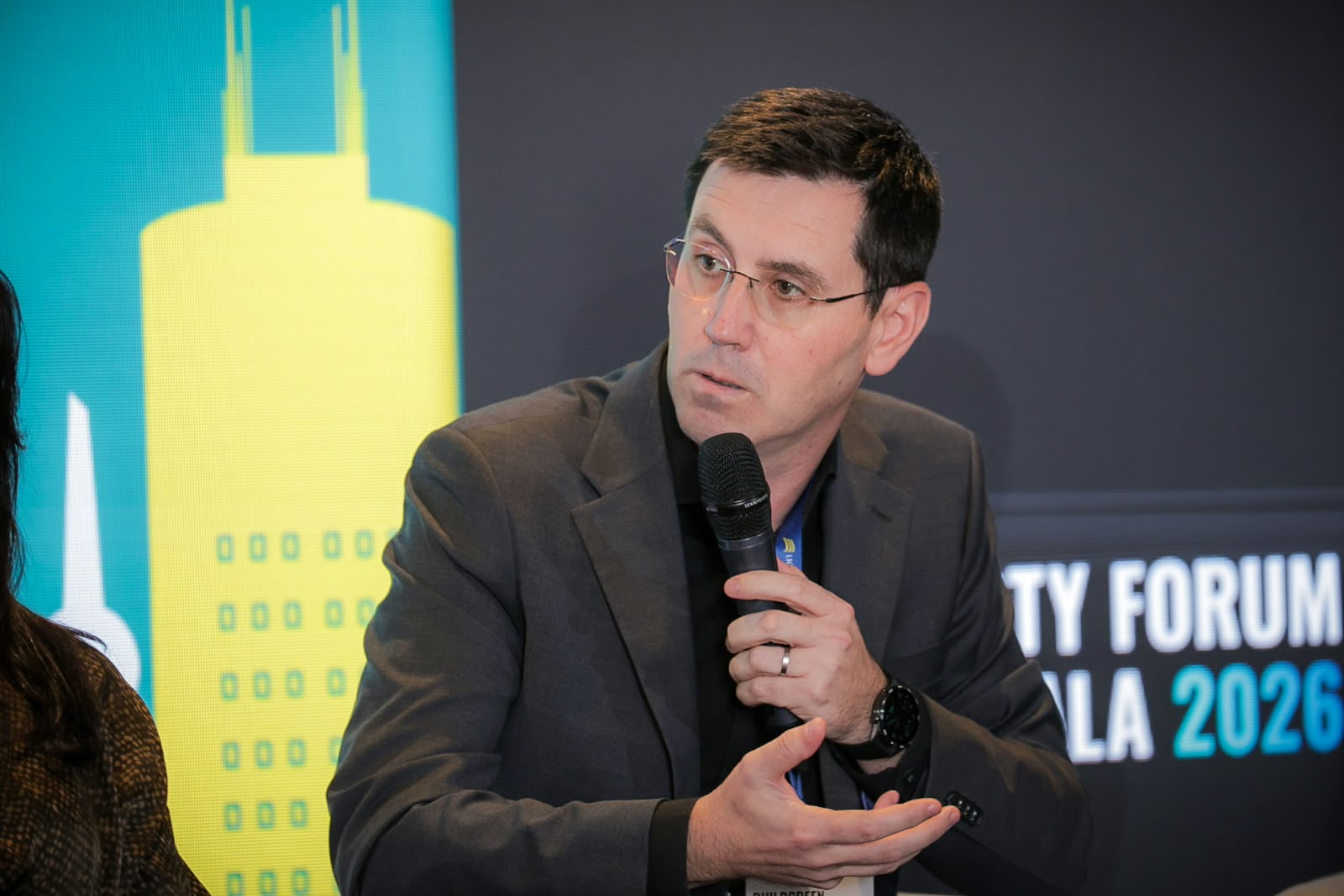
According to Răzvan Nica, Founder of BuildGreen and CEO of CarbonTool, the implications are profound: “This change will inevitably increase the cost of offsetting, particularly during peak demand hours. But more importantly, it will push organizations to rethink their energy strategies, optimize consumption and accelerate investment in renewable generation and storage. It’s a necessary step toward building resilience into our energy systems.”
The sustainability impact is clear. Hourly matching:
- Incentivizes peak-shaving and demand management, reducing reliance on fossil fuels during high-carbon hours.
- Encourages on-site solutions, such as rooftop solar, ensuring businesses generate clean energy directly where it is consumed.
- Elevates the role of energy storage, enabling a more reliable supply of renewables across the day.
The role of technology in adaptation
For many organizations, the challenge lies in monitoring energy use at an hourly resolution. Not all facilities have smart meters or advanced systems in place. To bridge this gap, the GHG Protocol allows the use of standardized load profiles that estimate demand patterns.
In this context, digital solutions become essential. CarbonTool, created by the team behind BuildGreen, enables companies to simulate real-time consumption, generate accurate hourly profiles, and identify optimal strategies for compliance without requiring immediate hardware upgrades. Because it is also embedded into BuildGreen’s broader carbon footprint assessments and certification work, the platform creates a seamless link between data-driven insights and credible sustainability reporting.
A strategic opportunity for forward-thinking companies
While hourly matching may initially raise operational costs, it represents a groundbreaking opportunity to move beyond compliance. By aligning consumption with the actual availability of clean energy, organizations not only improve the credibility of their sustainability reports but also help accelerate the global transition toward resilient, low-carbon energy systems.
For business leaders, this shift should not be viewed as a burden, but as a chance to reevaluate energy efficiency measures, invest in flexible, future-ready infrastructure and strengthen long-term climate commitments.
Hourly matching is more than a technical update, it’s a strategic milestone on the path to genuine sustainability.