What real estate already knows about raising the bar?
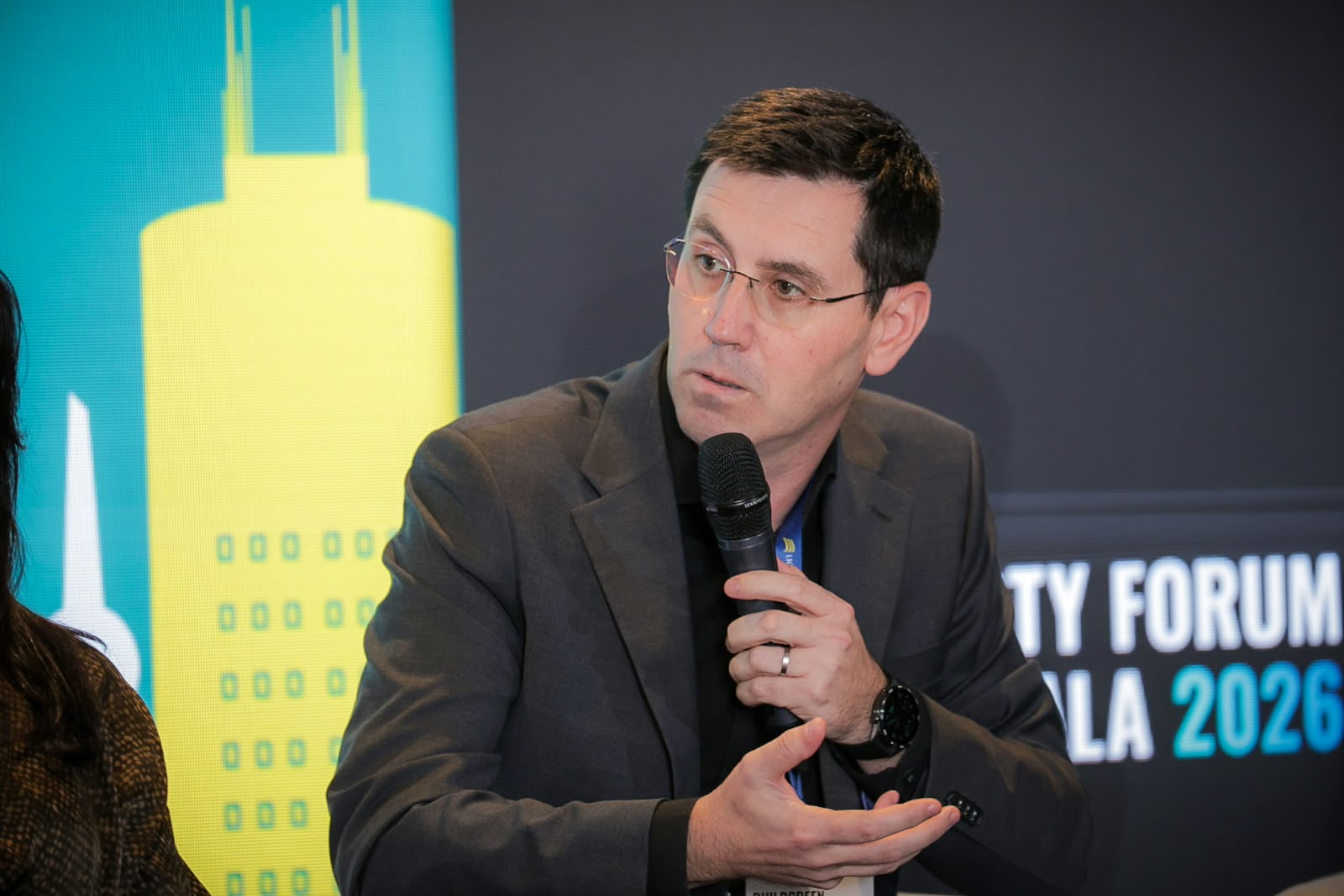
Răzvan Nica, CEO and founder of BuildGreen, was one of the speakers on the opening panel of ESG:Ro 2026, the sustainability conference organised by BusinessMark in Bucharest on 5 October 2026. Moderated by Daniel Drăgan, the discussion brought together voices from real estate, banking, audit and logistics.
Drawing on more than 16 years of green building certification, Răzvan focused on what the built environment has already learned and what other sectors can take from it.
Real estate went through this first
Sustainability standards entered Romanian real estate through certification more than 15 years ago, in much the same way they have entered other industries over the last five years. The first step, Răzvan said, is educating the market.
“Suppliers get involved when they understand what is being asked, why it is being asked, and what the long-term benefit is for them,” he explained. “At the first project, the first request, it feels exotic and there is natural reluctance. As the market starts to ask for it, all becomes normal and the market changes.”
A smaller market with top-tier buildings
Romania’s market is smaller than Poland’s, Răzvan acknowledged, but the quality of its best buildings stands out. “If we look at the top certified buildings, Romania has a few that rank in the global top five,” he said.
He attributes this, at least in part, to the market’s ambition to reach higher performance, to lower costs at the time and to the openness of the professionals involved.
Tenants are no longer just asking
The most visible change of recent years, in his view, is the role of tenants. A green certificate used to be a pre-qualification criterion for leasing. Today, tenants are taking part.
BuildGreen works on projects where tenants certify their own fit-outs and on new buildings developed directly for the end user. More projects are becoming partnerships between owners and tenants, even if not yet at the level where every party is fully invested. Green leases help, because both sides contribute to the building’s energy performance and both have an interest in it. On this, Răzvan noted, Romania is aligned with the European market.
Asked what drives this shift, he pointed first to cost. “Before, the tenant simply wanted a green building. Now, as long as the tenant pays the operating cost every month, the tenant is interested in reducing it and starts working with building management.”
Corporate policy is the second driver. “Tenants also have to report”, he added. “They are interested in their carbon footprint and they need data from the building to calculate it.”
From building data to decisions
Closing the panel, Răzvan returned to a practical point. A single building generates a large volume of data. BuildGreen and CarbonTool are already structuring this historical information into a format that is easy to use, so it can support accurate reporting, decarbonisation plans, certifications and business decisions.
For owners and tenants alike, that is where the next step lies: certification shows what a building can do and structured data shows what it actually does.