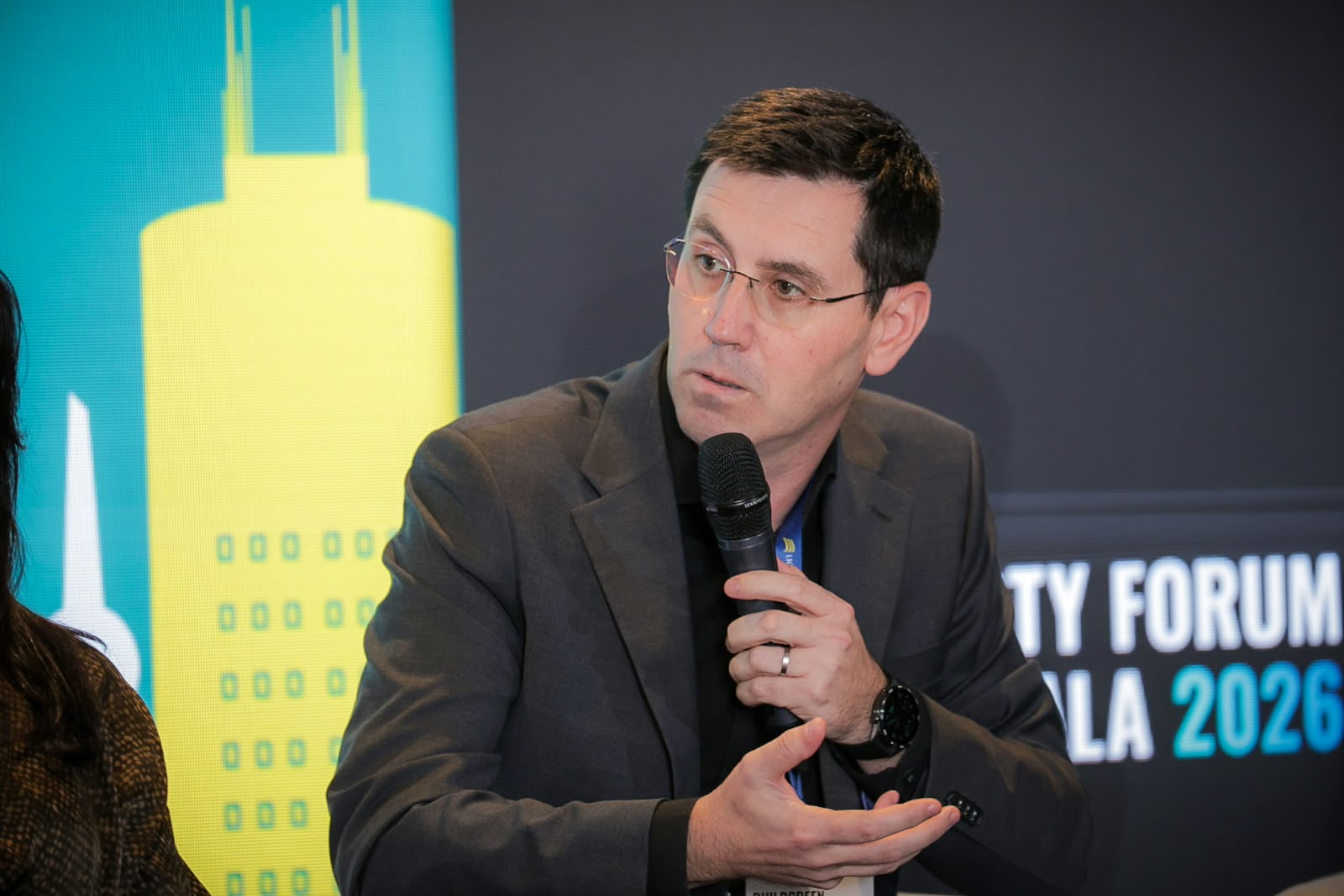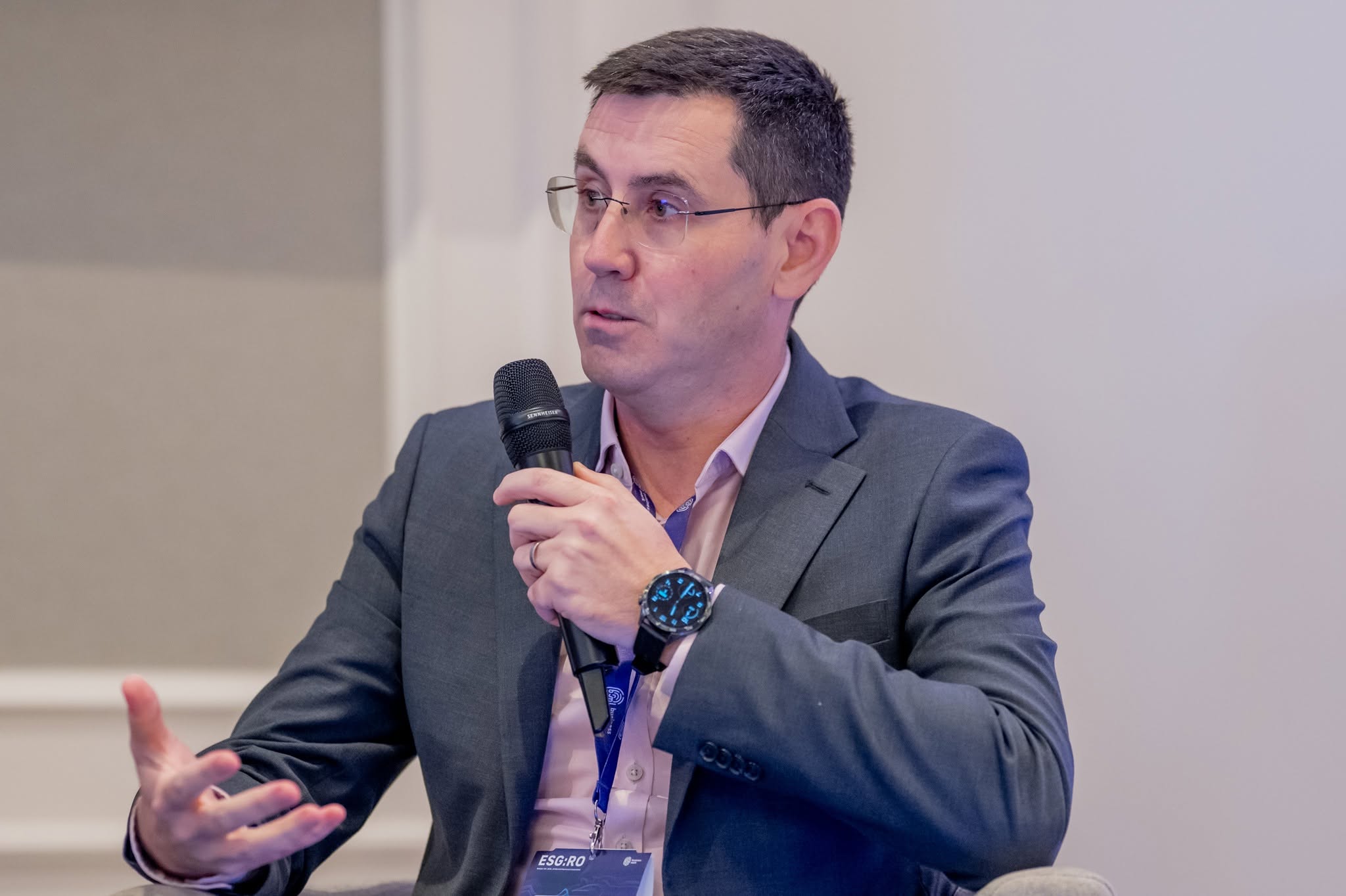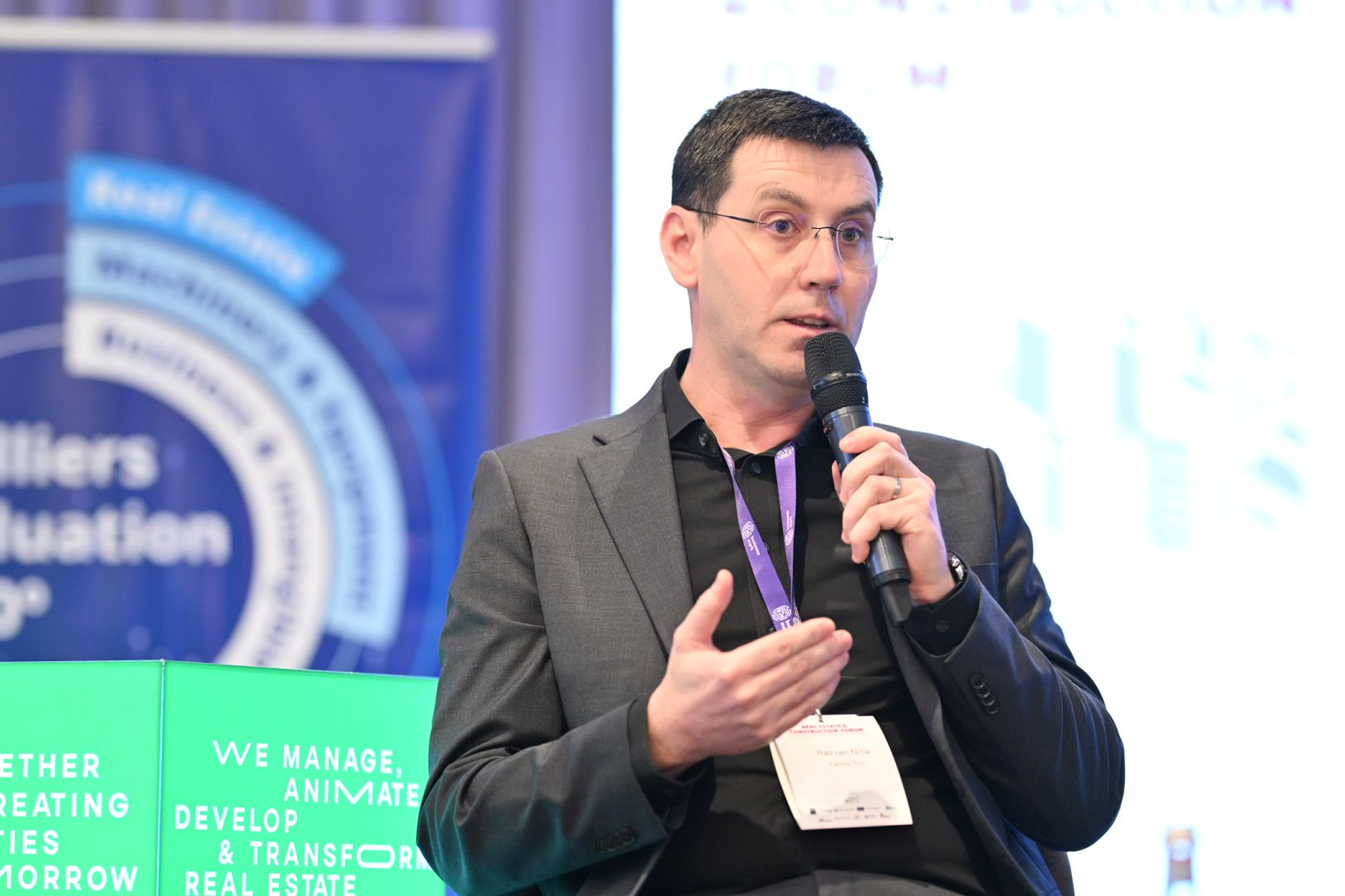
At Real Estate & Construction Forum 2026, Răzvan Nica, CEO of BuildGreen and CarbonTool, framed 2026 as “a year of consolidation, but also of change and evolution” for the sustainability and real estate ecosystem.
From BuildGreen’s perspective, consolidation means bringing the company’s two complementary directions closer together: sustainability consulting through BuildGreen, founded in 2010, and the digital layer that accelerates delivery and decision-making, through CarbonTool. After several years of product development in the IT space, Răzvan described 2026 as the year when the two directions blend more visibly, so the market benefits from a single, stronger engine: expertise that is easier to operationalize in buildings.
Certification upgrades that reset expectations
But the bigger story is what he called a unique moment for the certification landscape. In his view, 2026 stands out because the two most widely used building certification systems, LEED and BREEAM, are moving to new versions and changes are not just cosmetic. They reshape what the market values, what gets measured and what gets rewarded. The next wave of criteria is more sharply focused and more aligned with European and international decarbonization expectations, meaning the direction of travel for the whole market becomes clearer, and the pace of change accelerates.
Existing buildings: the real decarbonization battleground
That shift matters because the center of gravity is moving toward existing buildings. The pressure is no longer only about designing new, efficient projects; it’s increasingly about upgrading what already exists, under the combined forces of decarbonization and ESG requirements.
Răzvan also offered a pragmatic reading of where office buildings stand today. In his words, offices are “more prepared for decarbonization than for reporting.” The reason is market-driven, as competitive pressure and tenant expectations have already forced many office assets, especially Class A, to improve energy performance and respond to health and well-being needs. The pandemic, he argued, accelerated this adaptation, pushing buildings to prioritize indoor environment quality and efficiency, two pillars that naturally support sustainability outcomes.
Retrofit momentum toward 2050 targets
Still, being “on the trajectory” is not the same as being finished. Răzvan stressed that there is a long road to 2050 targets, but progress is tangible, as many Bucharest buildings, particularly those delivered before the previous crisis cycle,are entering retrofit programs. Owners are replacing or reducing reliance on legacy systems, keeping some equipment only as backup for extreme weather and gradually implementing measures that make net-zero pathways realistic over time.
For BuildGreen, the takeaway from RECF 2026 is that the market is entering a phase where standards are tightening, expectations are converging and execution matters more than ever. Certification evolution, retrofit momentum and decarbonization pressure are aligning into one direction: measurable performance, especially for the buildings we already have.